


If you boil marketing down to its core, it’s all about getting people to say yes enough times to make a purchase.
But what really makes someone say yes?
It turns out, marketing is more about psychology than most people realise.
Google defines psychology as:
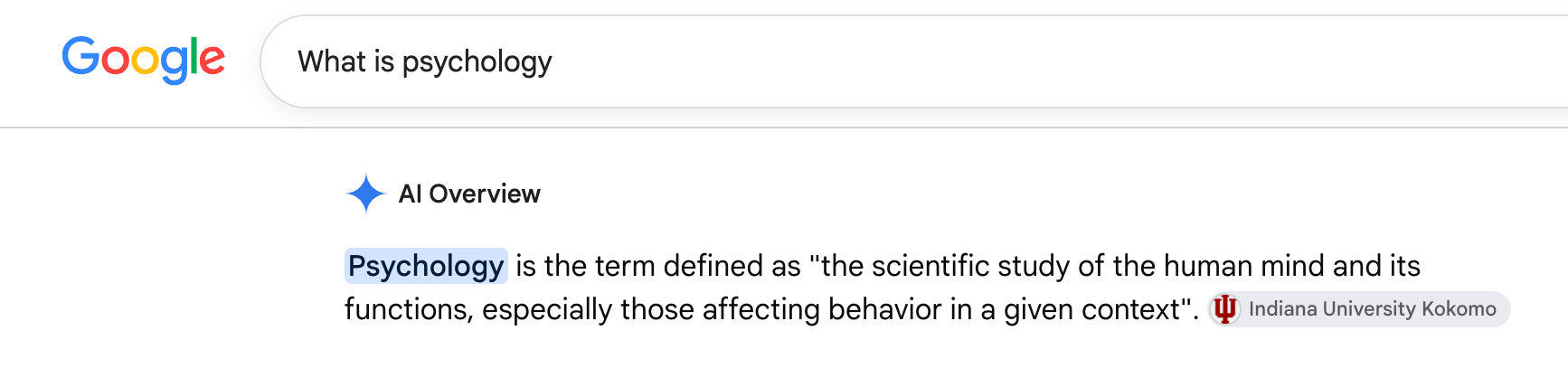
Sounds a lot like marketing, doesn’t it?
Today, we face a significant challenge: the internet has made everyone incredibly skeptical and sensitive to marketing. It’s tougher than ever to get a yes.
There’s AI slop everywhere, and people are not happy about it.
That’s why understanding the psychology behind persuasion can set you apart.
Years ago read the book called “Influence.”
Edit again now, and it seems like everything is still pretty much the same it comes to actually influencing someone to do something.
From all my years in marketing, I believe it’s all about sticking to the things that are not going to change, and in my opinion, the things that are not going to change are:
Human psychology.
How people act online.
So instead of advanced tactics, here are the 7 concepts that have reshaped my marketing and made it more persuasive.
1. Framing
It’s not just what you say. It’s how you say it.
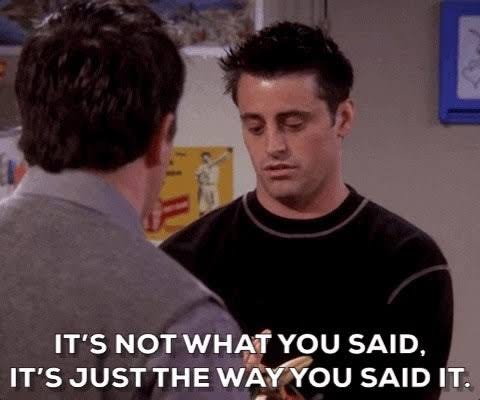
At an old job there was a guy everyone disliked. Blunt. Direct. He’d give feedback and tell you what something was in the worst possible way.
I thought he was rude for a long time.
He wasn’t. That was just his personality, and the feedback itself was usually right. It was the delivery that made people flinch.
Here’s the thing about that. You can give someone the harshest feedback imaginable, and if you do it gently, they’ll take it on board and act on it. Deliver the same words badly and they react before they’ve even processed what you said.
Now imagine you’re a complete stranger.
That’s your copy. Your emails, your landing pages, your ads. No relationship, no benefit of the doubt, no context. Just words on a screen being judged in a second and a half.
Small changes in wording lead to large shifts in behaviour.
Framing has a dark side, usually called glossing. A plummeting stock price becomes a “market correction.” An overpriced acquisition becomes “goodwill.” In management, problems get repackaged as “opportunities.”
That looks like wordplay. It isn’t. It taps into how people respond emotionally to identical realities.
Here’s how to use it properly:
Loss aversion. People react more strongly to a loss than to an equivalent gain. “Save £500” is fine. “You’re losing £500 a month by not doing this” is stronger.
The power of questions. How you ask shapes the answer you get. “What went wrong?” hunts for blame. “What can we improve?” hunts for solutions. Same meeting, different outcome.
Inversion. 99% fat-free sounds great. Contains 1% fat sounds worse. Same milk. 99% uptime feels safe. 1% downtime feels risky. Same server.
Speak their language. Frame it properly. Same message, completely different reception.
2. Pain, Dream, Fix
We’ve all tried to persuade someone who just won’t budge.
The truth is that for someone to act, certain things have to line up. Without them, getting action is nearly impossible.
For thousands of years humans have communicated through stories with a beginning and an end. As marketers we have to be engaging and persuasive. Shouting facts at people doesn’t work.
The Human Action Model says three things must be true:
The person feels discomfort with their current situation
They can picture a better state
They believe their action can get them there
Pain, Dream, Fix is how you deliver that:
Pain. The problems your customers live with right now. Make them feel it.
Dream. Paint the better world. Let them sit in it.
Fix. Show how your product turns the dream into reality. This is where features finally belong, and not a second earlier.
Here’s why it matters: people need to feel “this is for someone like me.”
The problem with most copy isn’t a lack of product explanation. It’s an insufficient focus on who the product is for and why it matters to them.
3. Anchoring
We rely too heavily on the first piece of information we see.
Show someone numbers ascending, 1 through 8, and they estimate low. Show the same numbers descending, 8 through 1, and they estimate high.
That first number becomes the reference point for everything after it.
How it shows up in marketing:
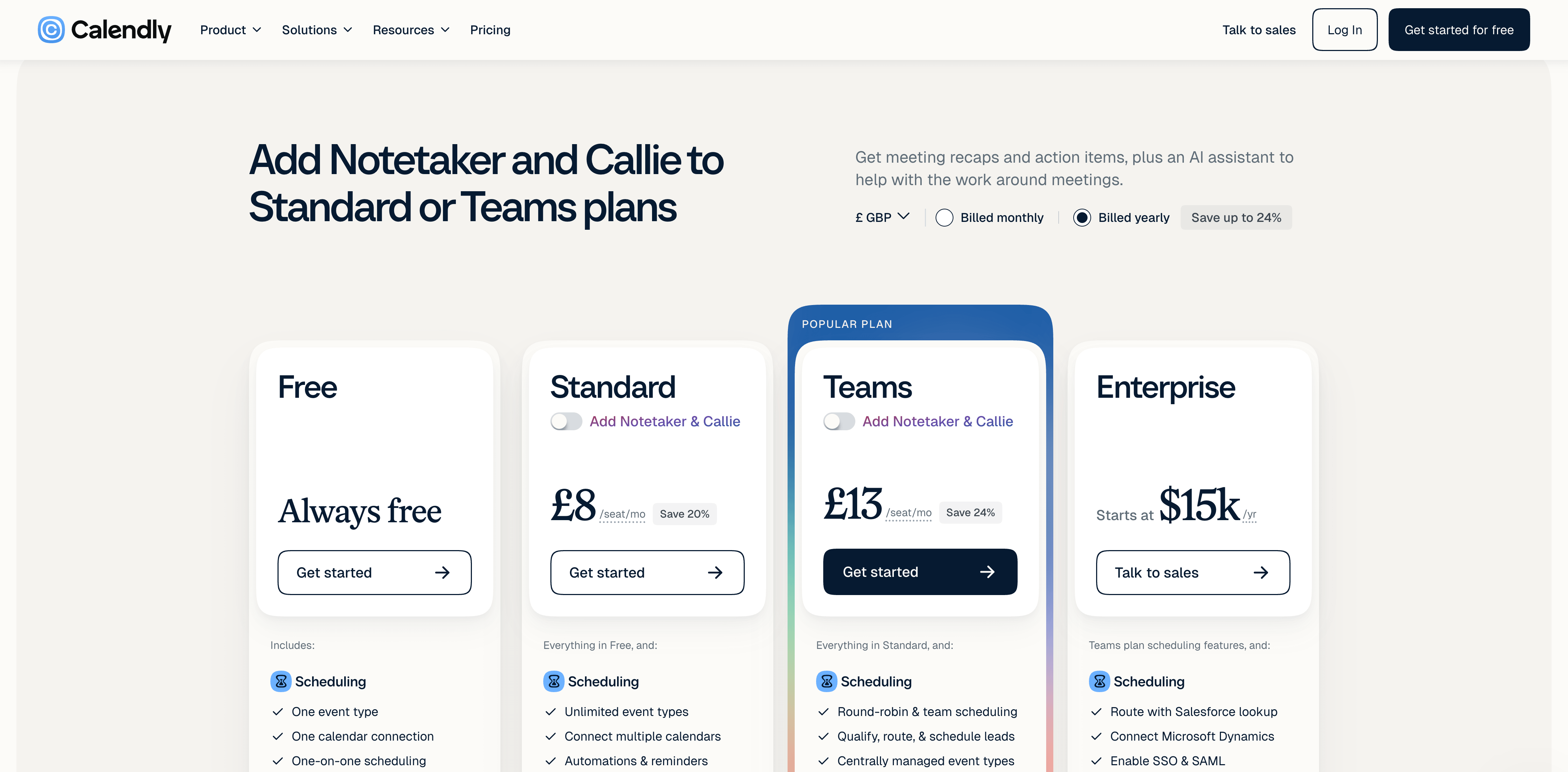
Show the highest price first. List the expensive option at the top and everything below it looks reasonable. The mid-tier suddenly feels like the sensible choice.
Or the lowest, when the gaps are small. When the difference between tiers is minor, anchoring low makes the next tier feel like a small, justifiable upgrade.
Use unrelated high prices. Even an expensive product from a different category can make yours feel like a bargain.
Multiple unit pricing. “3 for $10” anchors people to buy more than “$3.33 each” does.
Quantity limits. “Limit 5 per customer” makes people buy more. The restriction itself creates the demand.
4. Triggers
A trigger is anything that sparks someone to complete an action.
For a behaviour to happen, three things must be present: motivation, ability, and a trigger. The action has to provide value, be simple to complete, and draw attention.
Miss one and nothing happens.
Even when someone has motivation and ability, they still need the prompt.
External triggers are all around us. They target our senses and tell us what to do next. A “click here” button. A push notification. The smell of coffee as you walk past a cafe.
Internal triggers come from inside. Memories, emotions, situations. Fear of missing a moment triggers the Instagram photo. Boredom triggers the scroll. Loneliness triggers the inbox check.
The goal is converting external triggers into internal ones. You bring people back again and again by attaching your product to their daily routine until it becomes part of the workflow.
So ask yourself: in what situation could this behaviour be triggered? Then put an external trigger as close to that moment as you can.
A few that do real work:
Pattern interrupt. Disrupt the usual thought process and people engage. But the interrupt has to connect to what you’re selling. Shock without relevance just attracts the wrong crowd.
The CTA itself. Copy, colour, position, size. Black & Decker got a 17% lift switching “Shop Now” to “Buy Now.” Two words.
Notifications and email. People unlock their phones dozens of times a day. Every one of those is a chance to be the thing they see. The requirement is being relevant, timely, and curious.
5. Tradeoffs and regret
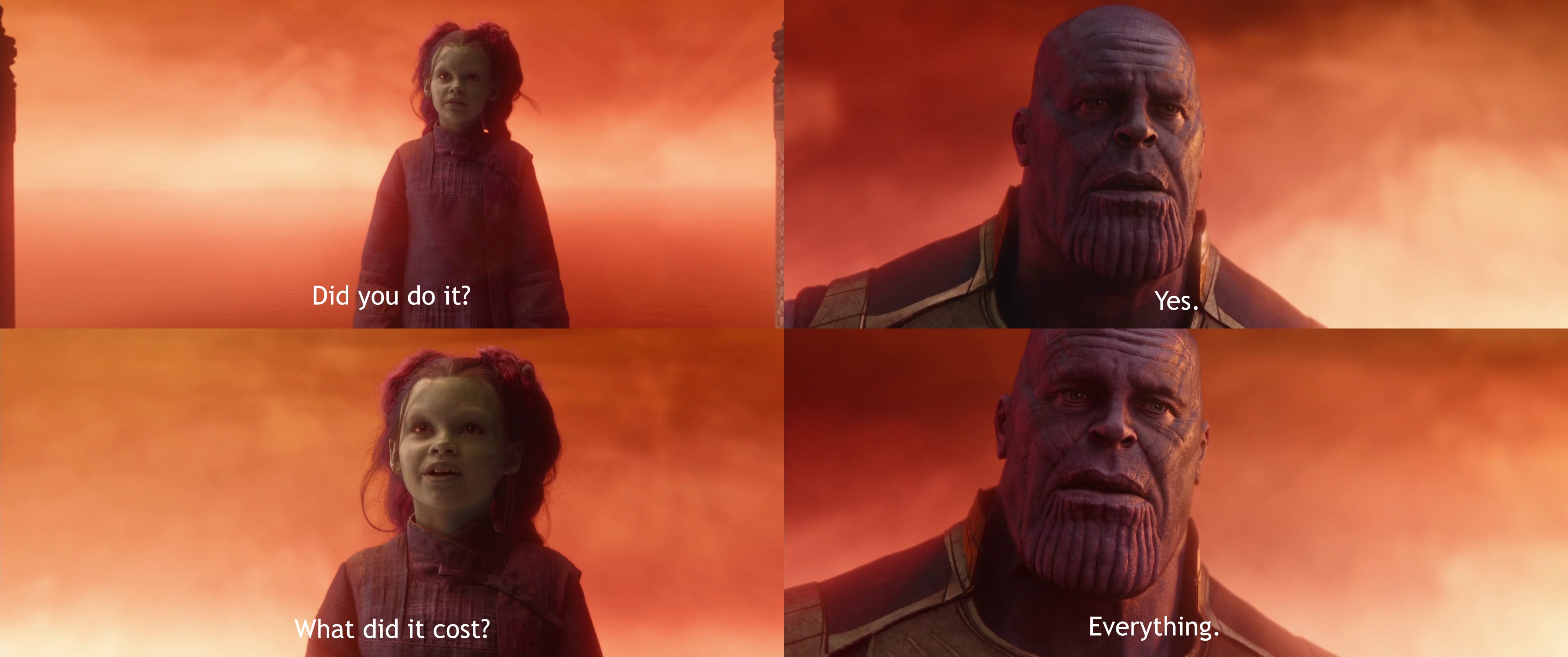
Jeff Bezos had a good job. Stable. Clear path.
Then the internet happened.
He could stay, or quit to start an online bookstore that might fail. Most people would build a pros and cons list and never decide.
Bezos asked one question instead: when I’m 80, will I regret not trying this?
He knew he wouldn’t regret trying and failing. He would regret never trying at all.
That’s the Regret Minimisation Framework. Project yourself forward. Look back at today’s decision. Ask whether you’ll regret not doing it.
Yes, do it. No, let it go.
Everything is tradeoffs. Do I do X or do I do Y. You can’t do both. We all do this subconsciously, but doing it deliberately makes it useful.
And here’s the part most marketers miss: your customers are running the same framework.
They’re asking: will I regret buying this? What if I make a mistake? What will people think if it doesn’t work?
People are constantly trying to reduce risk and avoid regret. They’ll take the least risky option even when it isn’t the best one.
So make the regret cheap:
Address the obvious worry. “What if I don’t like it?” Return policies, free trials, try-before-you-buy. Give them the exit.
Use guarantees for the big purchases. “If X doesn’t happen, we’ll do Y.” It doesn’t have to be a refund. A discount, a credit, extra support, an opt-out clause. The point is that the burden sits with you, not them.
6. Scarcity
The harder something is to get, the more we want it.
People link availability to quality. And we’re more motivated by the fear of losing than the desire of gaining.
You’ve done this with a flight.
You find a good price. You think, I’ll wait, it might drop next week. You check back and it’s gone up. Now you’re booking immediately, not because the price is good, but because you’re worried it’ll climb again.
Nothing about the flight changed. Only your sense of what you might lose.
That’s scarcity doing the work.
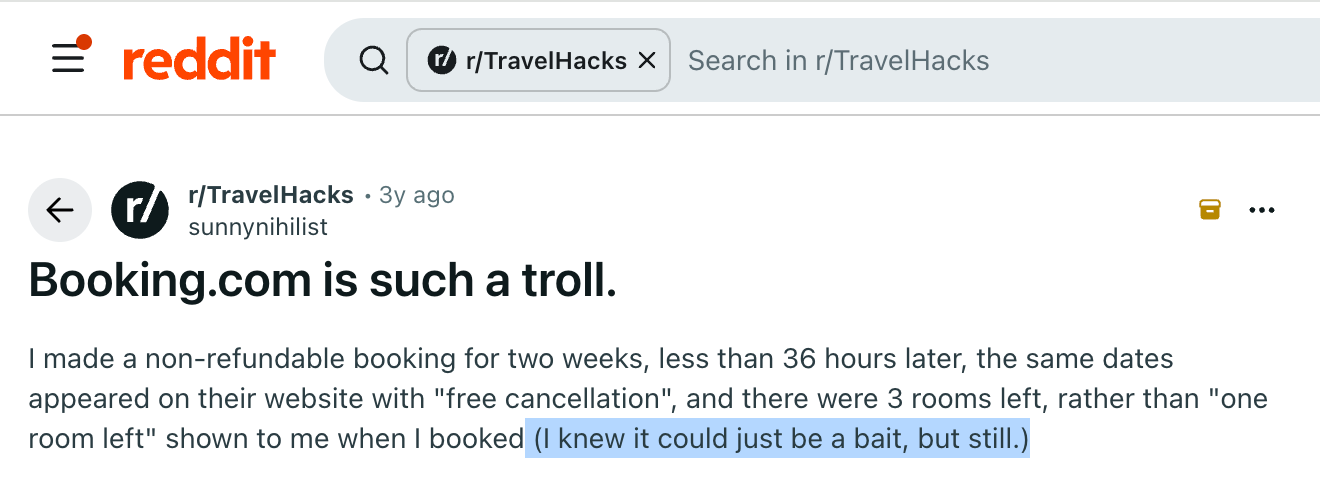
Limited stock. Booking.com showing “only 3 rooms left.” Some sites go further and show how many people are looking at the same room right now.
Deadlines. Amazon telling you exactly how long you have to qualify for next-day delivery. I’ve bought things purely to make that window.
Shorter free trials. Cutting a trial from 30 days to 14 tends to increase usage. Less time means people actually open the thing instead of forgetting they signed up.
Scarcity is FOMO. Loss aversion is the fear of losing something you have. Scarcity is the fear of never getting something you don’t.
7. Loss aversion
Closely related, and the reason scarcity works at all.
People feel losses more deeply than gains of the same size. Losses carry roughly double the psychological weight.
So stop leading with what they’ll get. Lead with what they’ll lose.
Negative headlines outperform positive ones. Nobody wants to lose something of value.
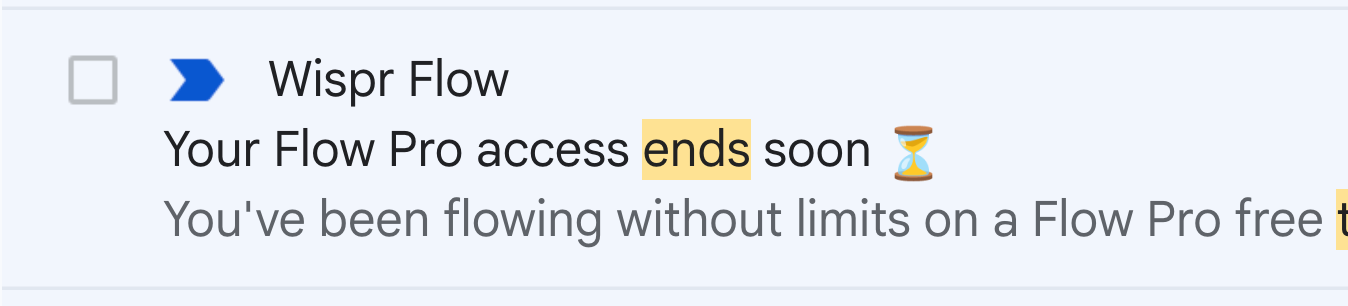
Free trials work because of the ending, not the beginning. When the trial expires, users feel the removal of features they’ve been using. That’s the conversion moment.
Lazy registration. Let people use the thing before they sign up. Once they’ve put effort in, they’ll register rather than lose the progress.
Alerts and bookmarks. Price drops, new features, saved posts. All of it is built on not wanting to miss something.
Pre-filled carts. Removing the discounted item feels like giving up a discount, which is harder than never having had it.
What actually stays the same
Seven models. None of them requires a tool, a trend, or a budget.
Framing changes how a message lands. Pain, Dream, Fix gives people a story they can see themselves in. Anchoring sets the reference point. Triggers turn intention into action. Regret shapes every decision your customer makes. Scarcity and loss aversion are the two sides of the same fear.
That’s why Influence reads the same eight years later. The platforms changed. The tools changed. The people didn’t.
Learn the psychology and the tactics take care of themselves.