


Most people think lead magnets are dead
The argument goes like this. Nobody wants to give you their email any more. Opt-ins don’t work. The game now is post content and pray it converts.
Here’s what’s actually happening.
You’re treating your entire market like they’re all ready to buy right now.
They’re not.
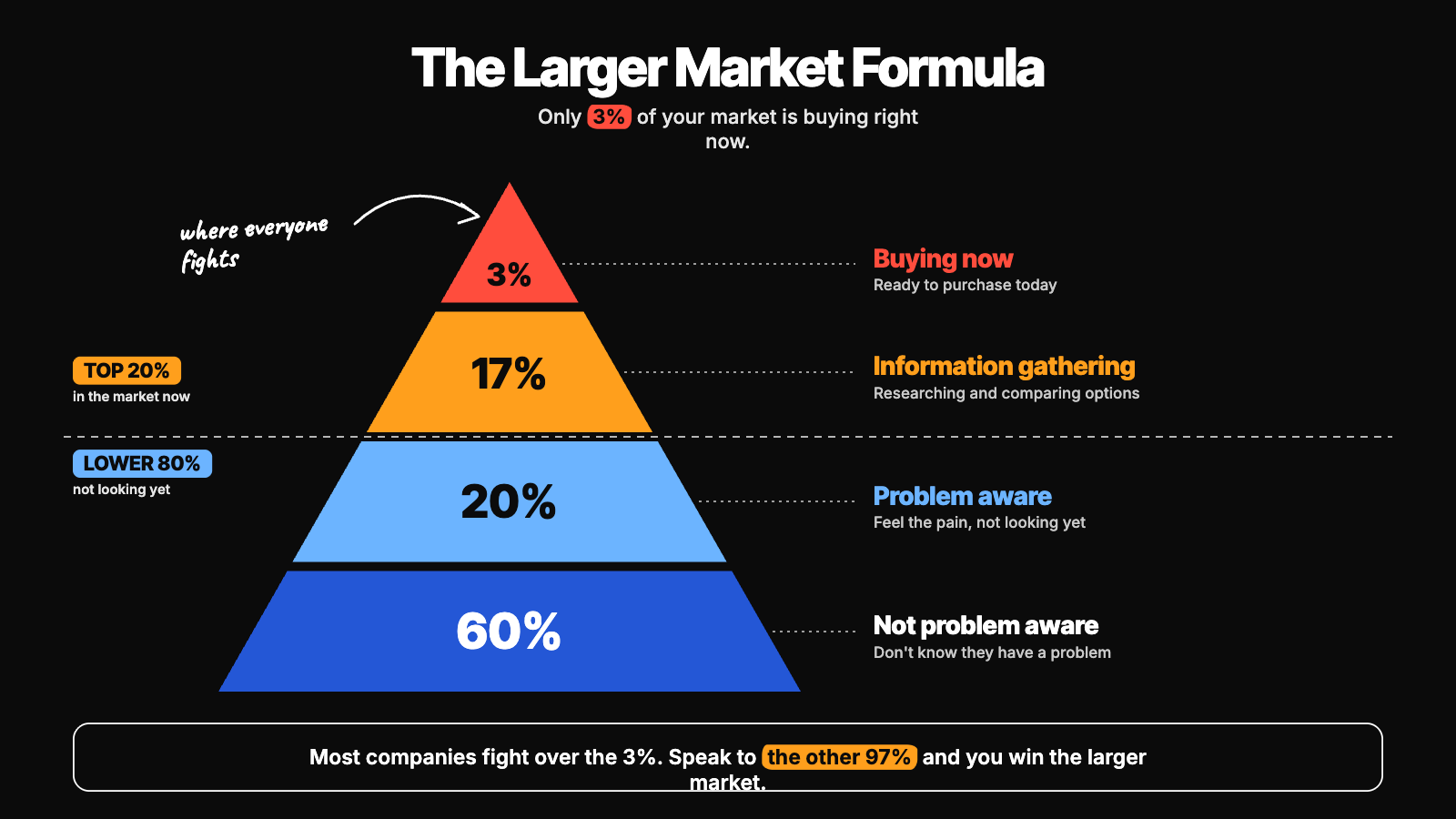
Only 3% of your market is ready to buy at any given time.
The other 97% aren’t sold yet. They need educating, nurturing, and time.
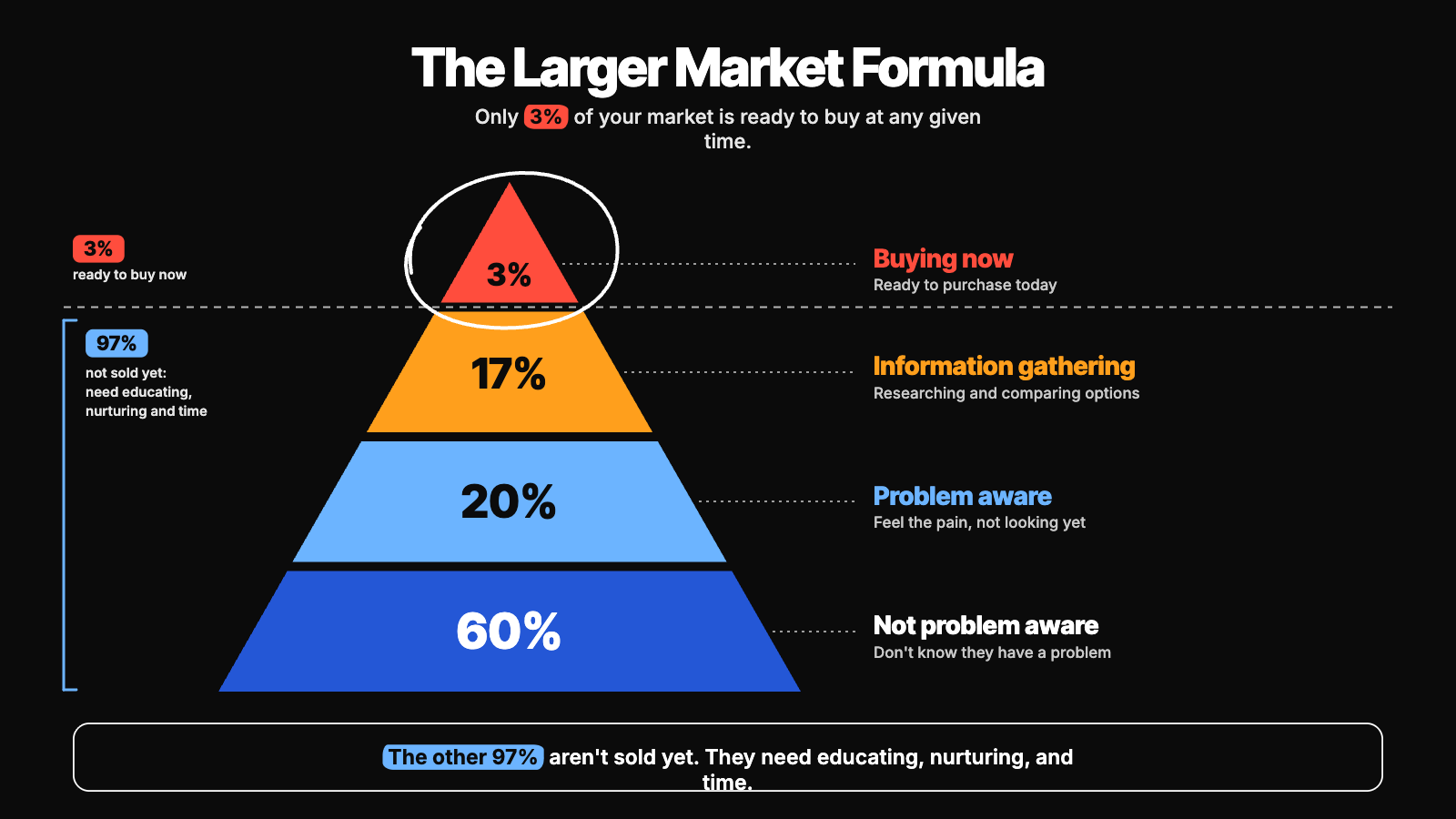
By skipping the opt-in, you’re throwing away 97% of your potential customers before you get a chance to sell them anything.
And right now everyone is using AI to produce more.
More content, more landing pages, more ads, more emails.
Almost nobody is using it to convert that 97%. They’re creating content and hoping it magically turns into sales.
Contact collection isn’t dead.
AI has made it more powerful than it’s ever been, because you can now nurture cold traffic faster and more convincingly than you could when all of it had to be written by hand.
If you don’t build a system that captures contact information, educates people and earns trust automatically, AI won’t save your marketing.
It will expose how weak your follow-up really is.
Kevin Hart’s clipboard
In the early days, Kevin Hart collected emails at every show.
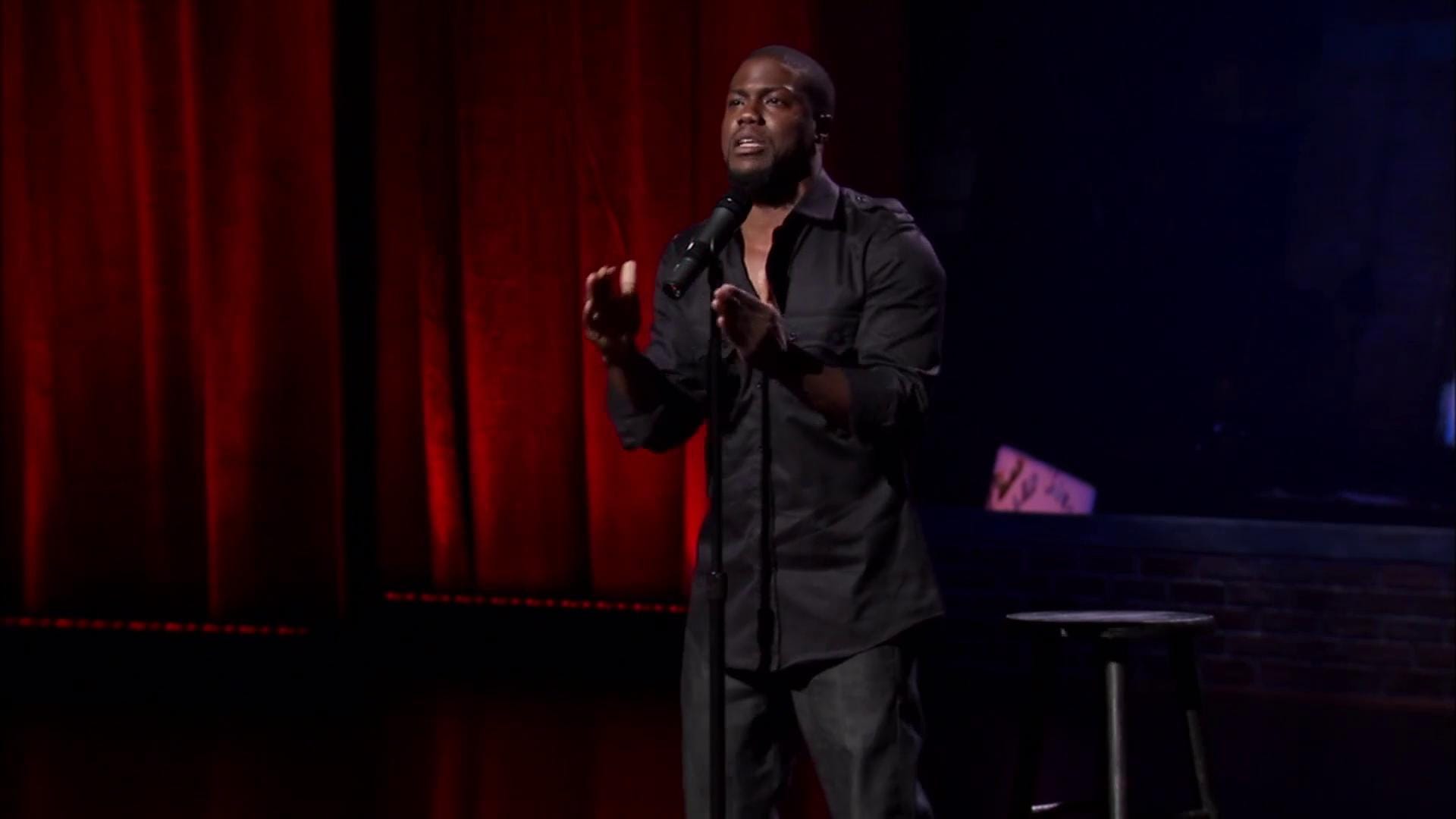
He’d turn up in a city as part of a tour, getting paid maybe a hundred bucks to be on stage in front of a few hundred people.
And he started passing a clipboard round the room.
If you want to hear more from me, if you want to know when I’m coming back, put down your name and email.
When he came back to that city, he emailed those people.
By the third time he visited, he was the headliner.
Most people don’t do this because they don’t understand what’s actually happening.
It isn’t list building. It’s reactivation. Putting the thing back in front of people in a way that makes them want it.
Kevin Hart had a clipboard and determination.
You have AI, automation, and the ability to do the same thing at a scale he couldn’t.
Why 95% of your buyers aren’t ready
I first came across Chet Holmes’ buyer pyramid when I read The Ultimate Sales Machine.
Early in my career it completely changed how I approached marketing.
The larger market formula highlighted earlier stems from the buyer pyramid:
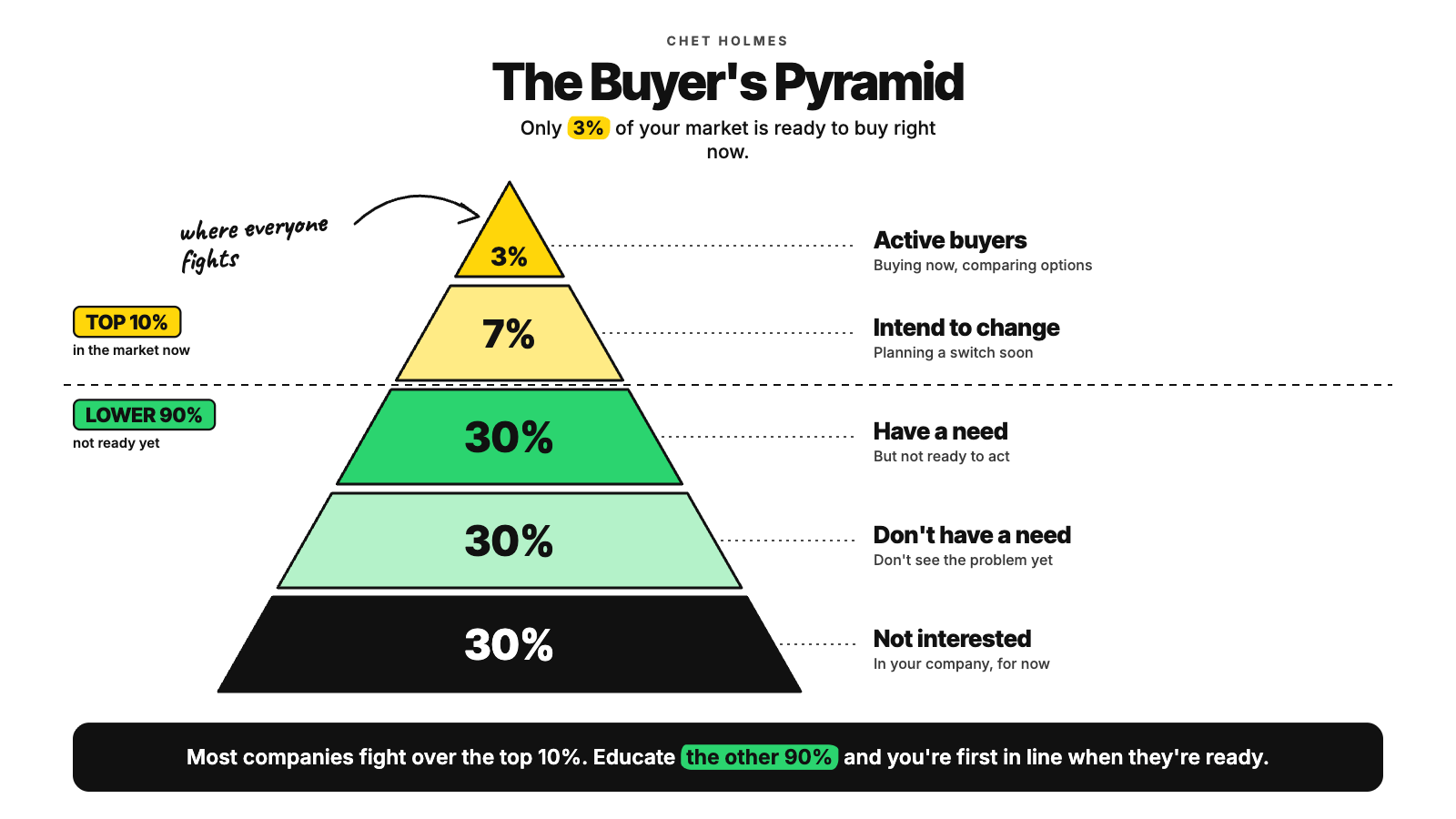
Holmes’ stadium pitch is about engaging the entire audience of potential buyers, not just the 3% ready to buy now, but the 97% who aren’t in market yet.
It’s now known as the 95:5 rule, out-of-market versus in-market buyers, popularised by Professor John Dawes of the Ehrenberg-Bass Institute. The exact ratio moves depending on your category.
Here’s what it means in practice.
Focus on short-term strategies like demand capture and lead generation and you’ll reach the 5% who are actively buying. That works, until it doesn’t, because you eventually run out of ready customers. That’s the growth plateau almost everyone hits.
The 95% aren’t an unconvinced audience. They’re not in market for three different reasons:
They don’t have the problem yet.
They have it but don’t know you solve it.
They have it, know about you, and haven’t prioritised fixing it.
Marketing aimed at convincing those people goes ignored, because convincing isn’t the job. Awareness is.
You can’t force anyone into the market and you can’t control their timeline. What you can do is be the name they already know when they get there.
And that matters more than most people realise. Research from Bain & Company found that 80 to 90% of buyers already have a set of vendors in mind before they do any research, and 90% of them end up choosing one from that initial list.
Read that again if you’re spending everything on capturing search demand. The shortlist is formed before the search starts.
So here’s the system I’d build to get on it.
Step 1: Sell against what already failed them
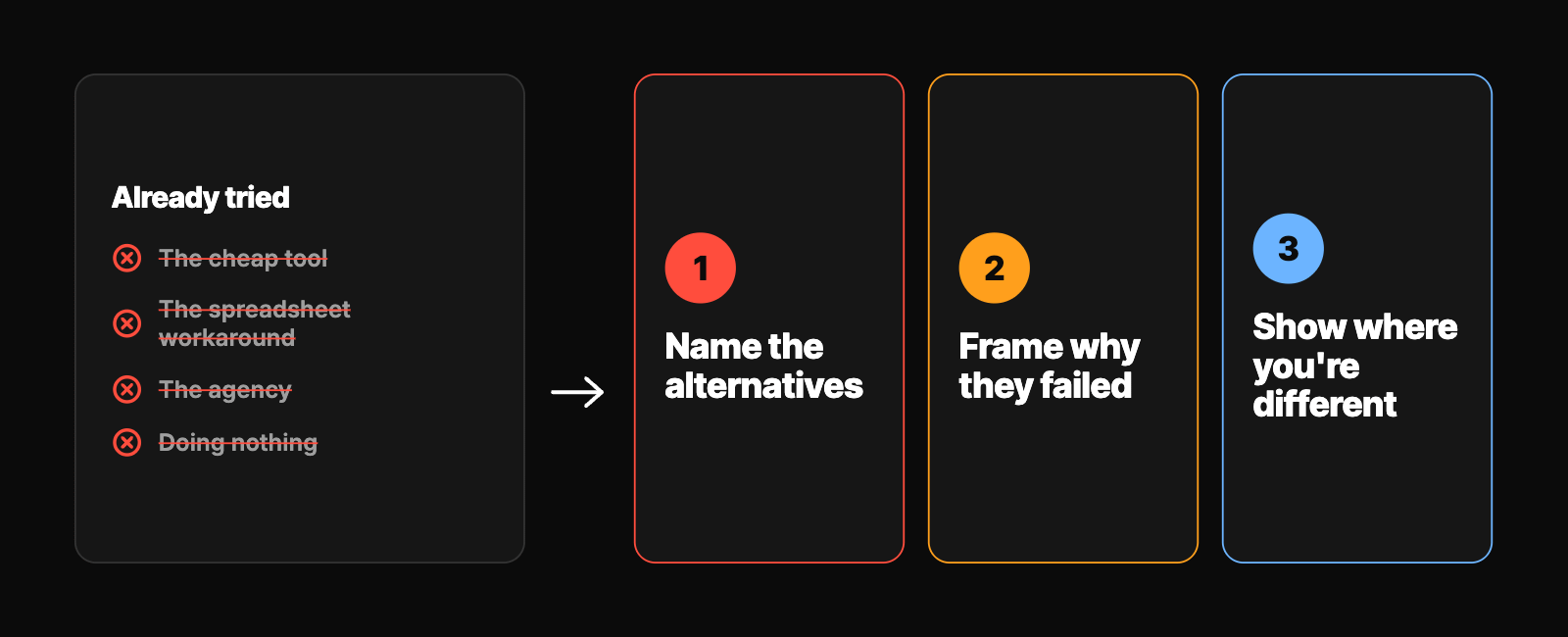
None of what follows matters if you can’t sell against the alternatives that have already let your prospect down.
Most people treat every lead like the 3% who are buying today. That’s the mistake. Because chances are this isn’t the first time they’ve had this problem, and it isn’t the first time they’ve bought something to fix it.
The real opportunity is in the 17% gathering information and the 20% who know they have a problem but haven’t acted. Those are the ones who become buyers with the right nurturing.
So name the alternatives. Frame why they didn’t work. Then show where you’re different.
Skip that and they’ll assume you’re more of the same, because from where they’re sitting, you probably are.
Step 2: Make something so good it feels like a mistake it’s free
The lens: how can I provide the most value to my market for free, and treat them like customers before they give me a cent?
You want them thinking, if this is free, what’s the paid stuff like?
That means solving a burning problem. Their actual frustrations, headaches and desires, not the ones you wish they had.
Finding out what those are:
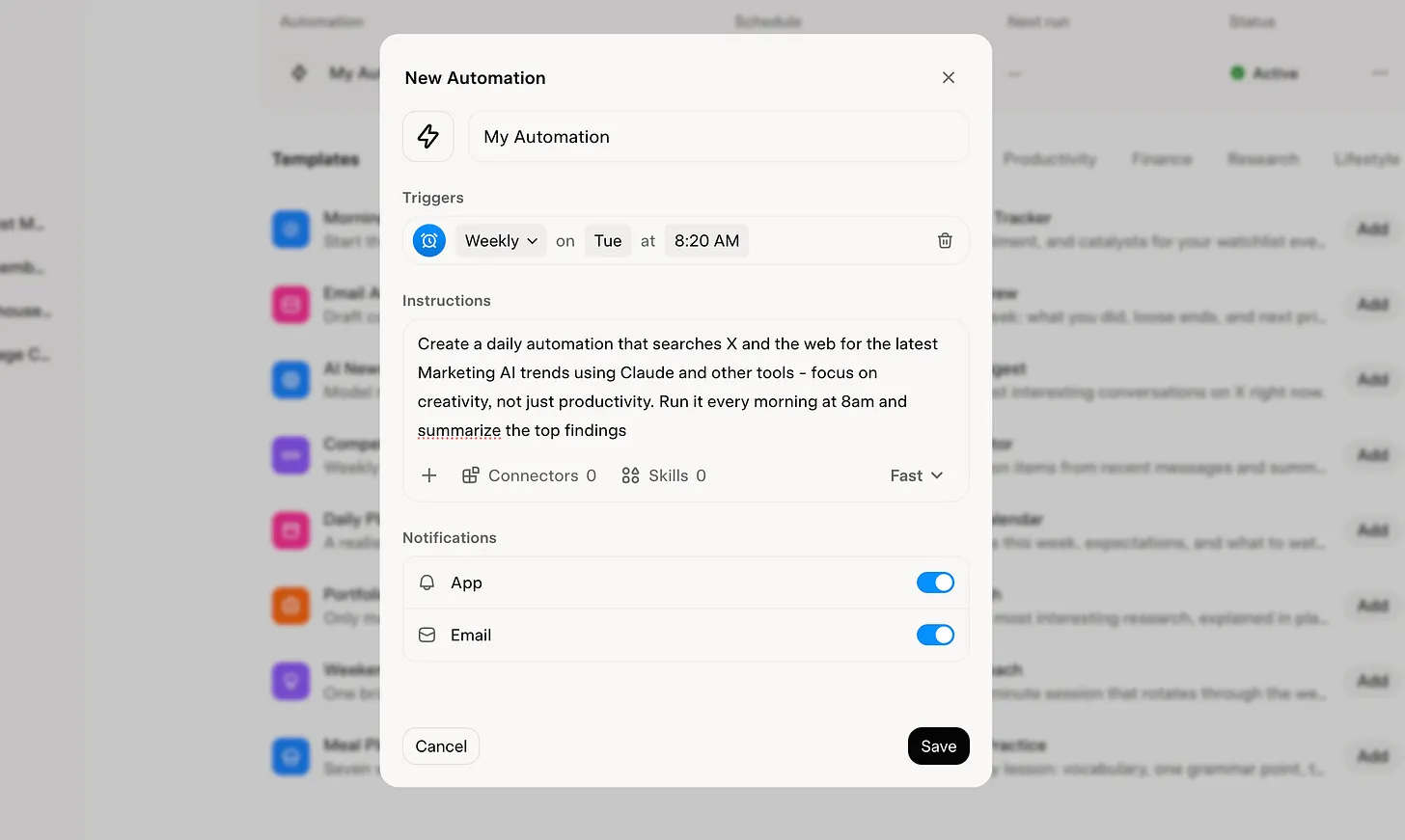
Grok Automations. It plugs straight into X and sees what’s blowing up in real time. Set one automated task and every morning it emails you what your industry talked about yesterday. Takes two minutes to read.
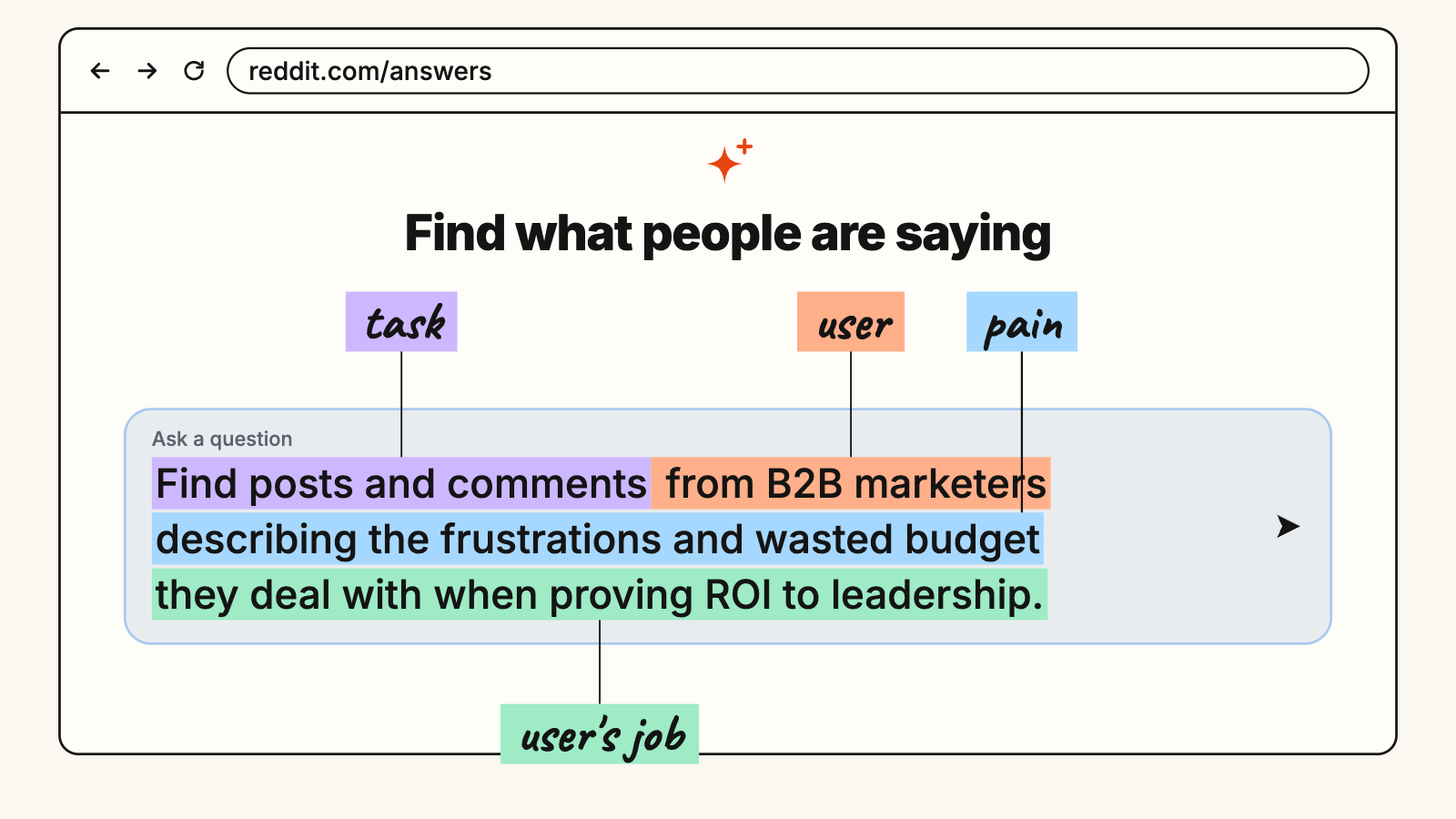
Reddit Answers. Real, unfiltered customer insight in thirty seconds. Ask a question and it pulls from actual threads. Raw opinions, real experiences, ready-made content ideas, without spending weeks on market research.
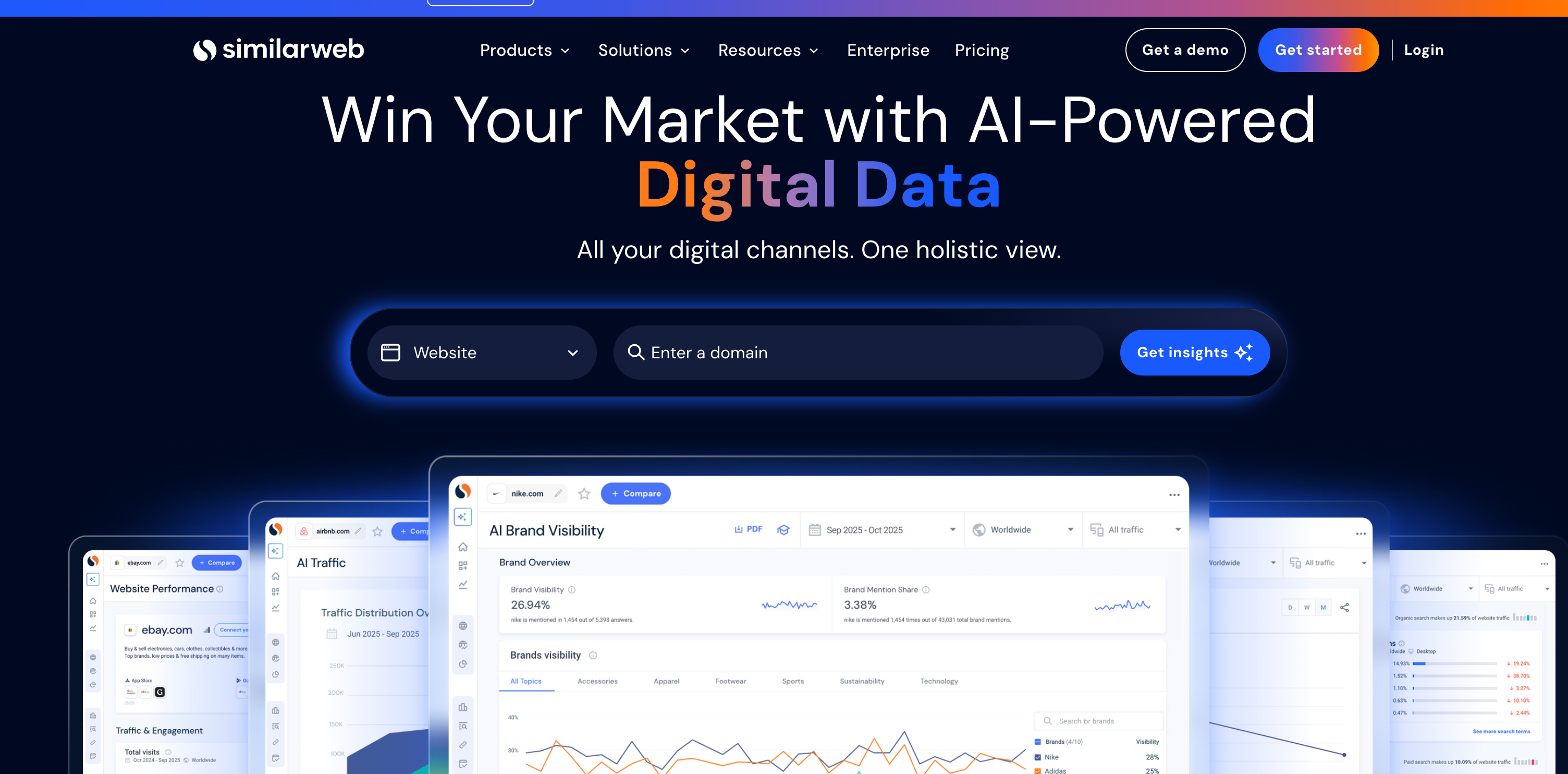
SimilarWeb. Spying on competitors, legally. Traffic behaviour and messaging.
AnswerThePublic. What people are actually searching for.

And install the Chrome extension called Discussions, which filters your Google results down to forums only.
If you already have customers, export your support emails and chats and ask AI to pull out the recurring pains and desires.
You’ll find everything leads back to one core problem.
That problem anchors your copy and your free offers.
Then build it. With AI you can quickly put together a:
How-to guide
A short cheat sheet
A report
An interactive tool using something like Lovable.
For the written formats, LLMs like Claude can design them up properly. If you want a specialist tool, Gamma is my go to.
Different people prefer different formats, so make the same thing three ways and you show up in multiple modes without extra work.
If your free offer is better than someone else’s paid product, they’ll assume your paid solution must be stronger. That single exchange turns a sceptic into a prospect.
Step 3: The landing page
This is the first transaction. A free exchange.
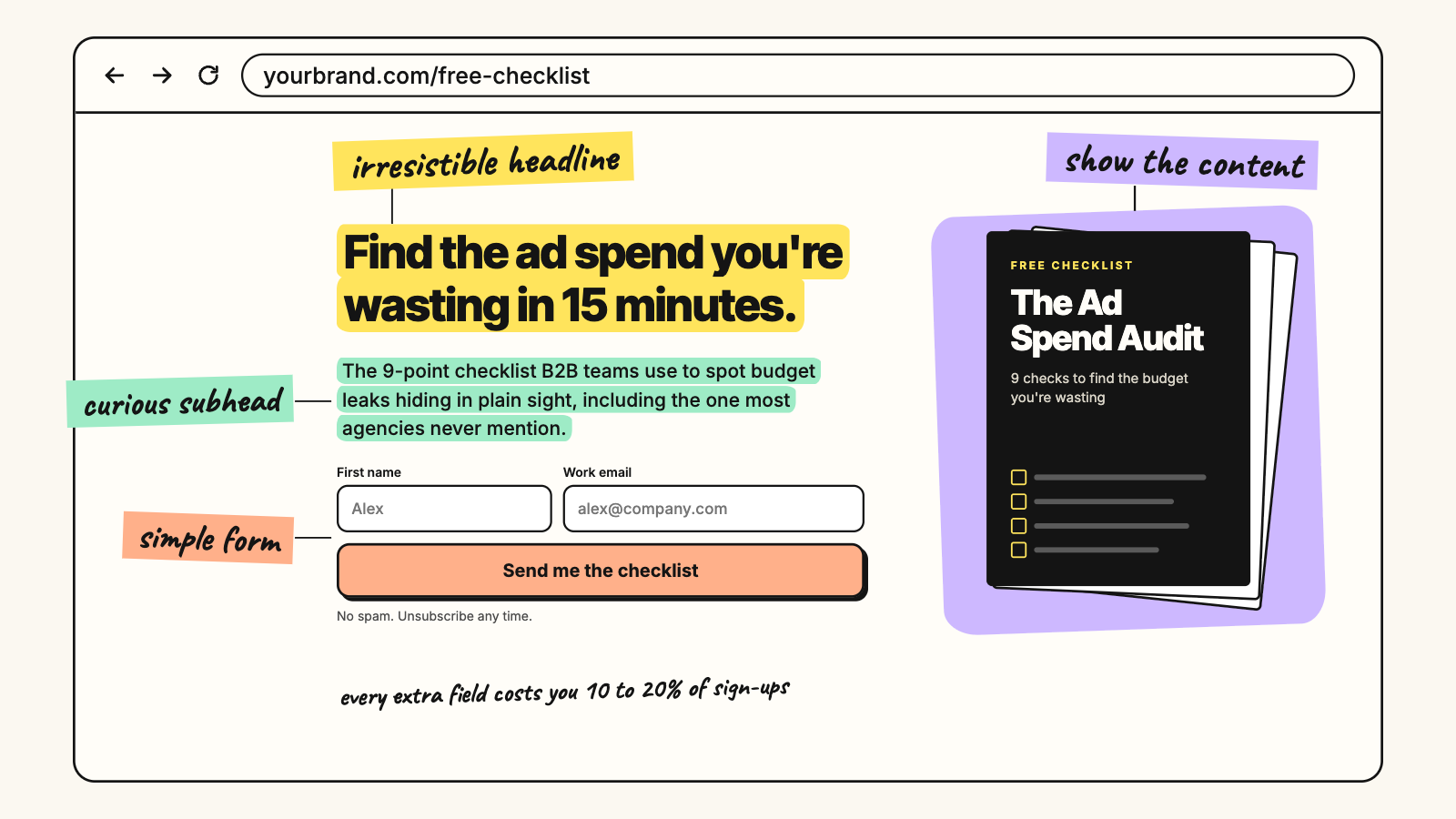
Getting someone’s contact details is harder than it’s ever been because people are more sceptical than they’ve ever been. Your opt-in page needs four things:
An irresistible headline. Promise an immediate solution to their burning problem. Shock sleepy web surfers awake. Use the 4 Us.
A compelling subheading. Restate the specifics. Use teasers rather than overt benefits. Make them curious.
Show the content. An image of the report, the cheat sheet, the video. People need visual proof the thing exists.
A simple form. Name and email. That’s it. Every extra field kills 10 to 20% of conversions.
Then don’t waste the thank-you page. Tell them where the content is coming from, add a short video introducing yourself, and give them one quick win they can act on immediately.
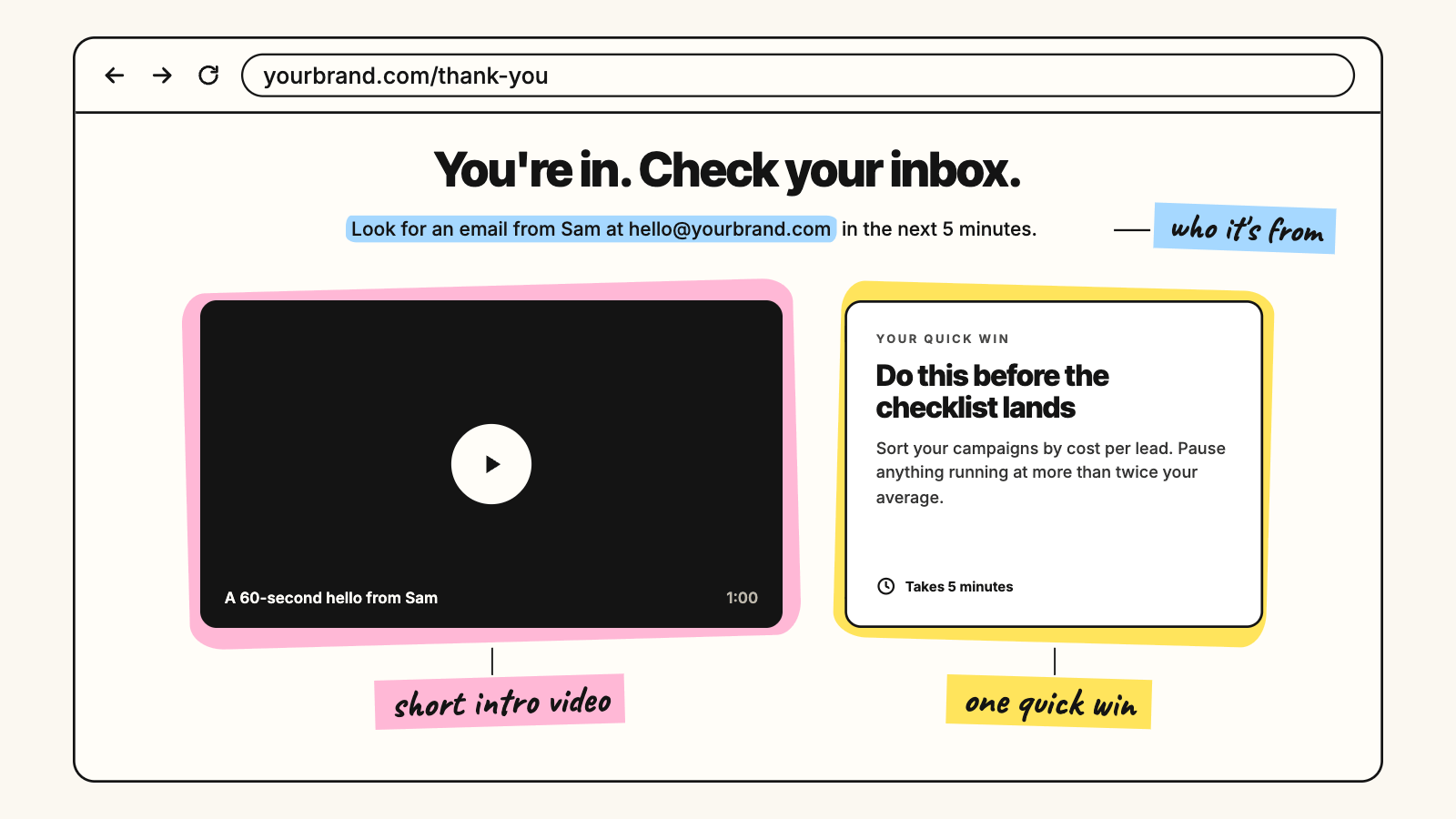
And ask them to check spam or promotions if the email hasn’t arrived in two minutes. If they never get your first email, trust breaks before it starts.
Use Framer, or a fast AI builder like Lovable. Ideally make three versions, one for each opt-in format.
Same message, different delivery. That’s how you become omnipresent without extra work.
Step 4: Emails that convert without annoying anyone
I’ve been doing this for over nine years. Email still outperforms every other channel for retention and revenue.
Build your list from day one, because you own it. You’re not renting attention on someone else’s platform and no algorithm can kill your reach.
Here’s what most people get wrong. They think the hard part is getting the email address. The real work is getting your emails delivered and opened.
Pick an email service that matches your volume and budget. ActiveCampaign, HubSpot, whatever fits.
Then focus on sender reputation: opens, clicks, low spam reporting. Plain text gets more opens than flashy HTML. Black text, white background. Make it look like a normal email from a friend.
Subject lines. Short, lowercase, sometimes without punctuation. Intriguing questions and curiosity hooks. Think personal email, not campaign.
The curiosity gap is what does the work. Leave the subject line slightly unfinished so the reader has to open it. “How to get more replies” becomes “Stop doing this if you want replies.” You withhold the key detail, the tension creates the open.
The body. Conversational. Short sentences. Small paragraphs. Never boring.
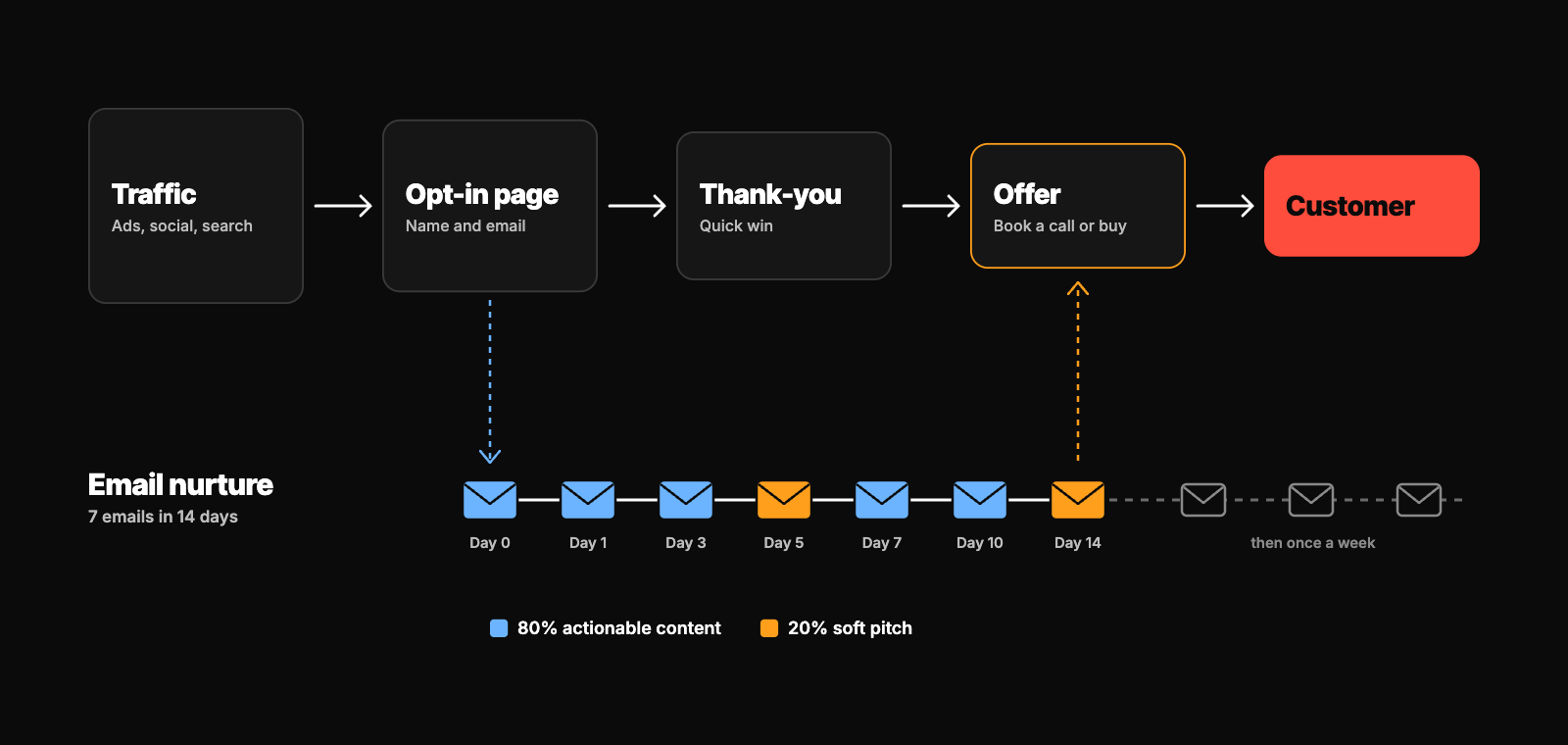
The sequence. Send structured, high-value content that solves real problems before you ask for anything.
You can turn your guide into the sequence with AI. Upload it to Claude and ask it to build the emails, from the confirmation through to the last one.
I’d do seven emails in fourteen days, then once a week after that. 80% pure actionable content, 20% soft pitch.
By the time the sequence ends they already see you as a helpful expert.
Marketing’s job is to make sales easy.
Step 5: Traffic
The best system is useless without attention. Most people fail here because they jump between channels too quickly.
There are only three ways to get people to your offer.
Owned. Content on platforms you control. Email, YouTube, X, TikTok, LinkedIn, podcasting. Compounds over time, builds equity.
Earned. Other people’s audiences. Collaborations, podcast interviews, guest content, shoutouts, affiliates, partnerships. Credibility and reach you couldn’t get alone.
Paid. Buying attention directly. Immediate results and scale, but it needs testing and budget.
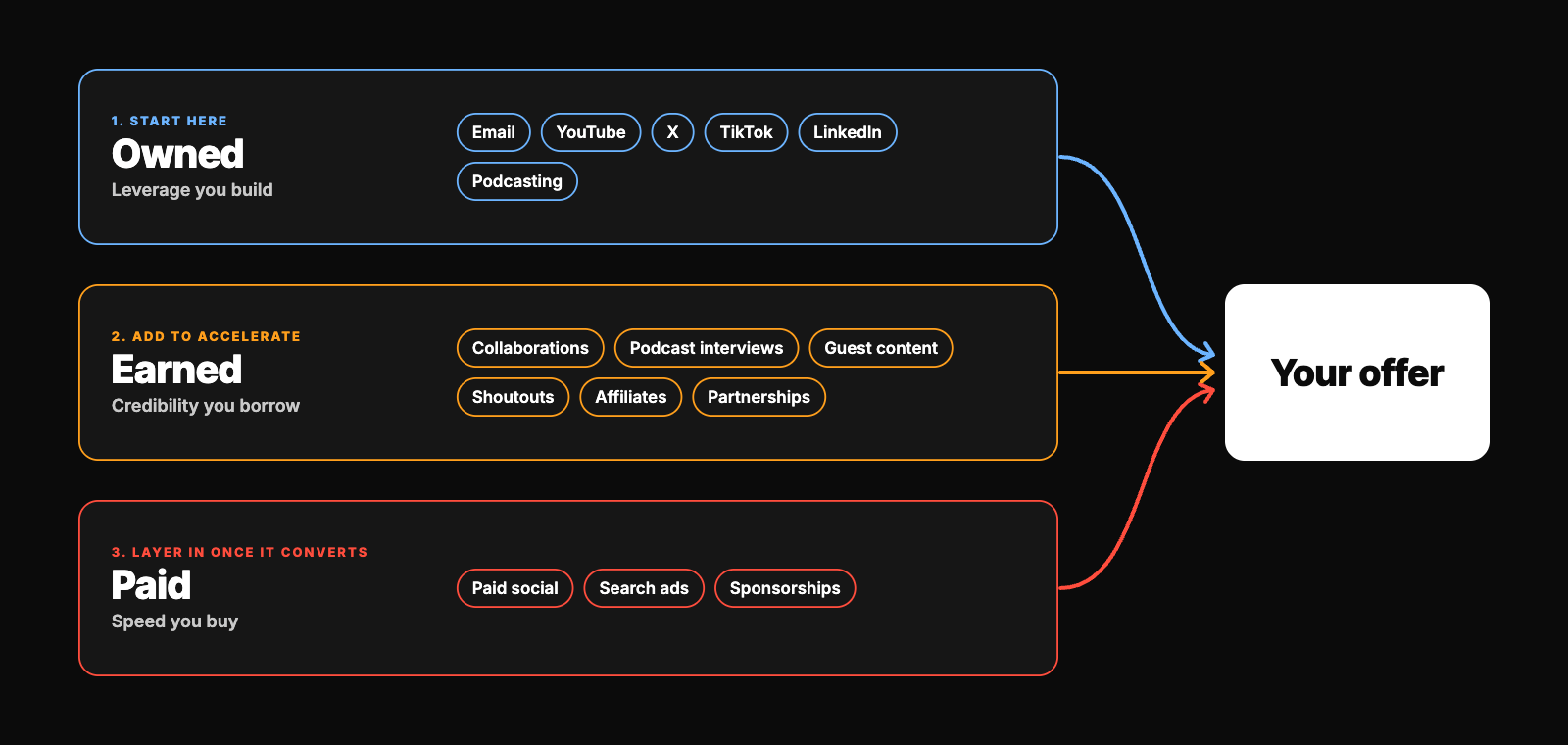
Owned is leverage you build. Earned is credibility you borrow. Paid is speed you buy.
Start with owned. Add earned to accelerate. Layer in paid once your message already converts.
And whatever you pick, don’t dabble. One channel, 90 days, go deep. Traffic rewards consistency, not sampling.
That’s the system
This will help you to get them up the pyramid.
Position against what failed them. Build something genuinely valuable and give it away. Get the opt-in. Convert through education. Drive traffic to all of it.
Kevin Hart had a clipboard and persistence. By the third visit he was the headliner.
You’ve got AI, automation, and a market where almost everyone else is posting and hoping.
Till next time,
Rachid